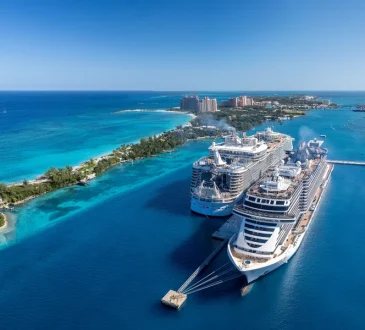

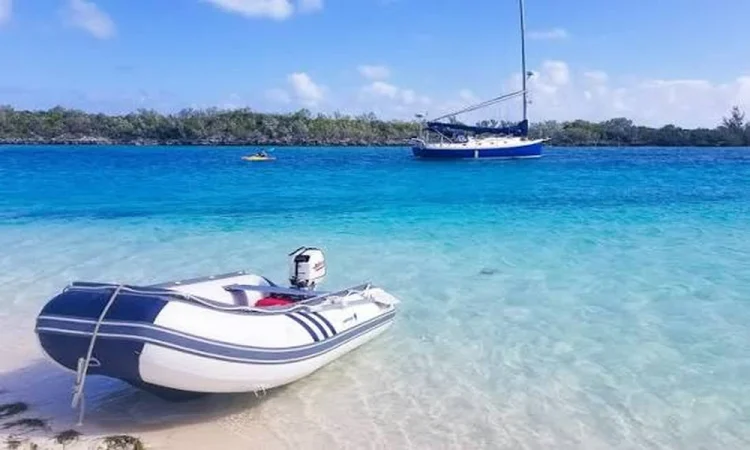
There is a big difference between seeing a coastline and actually exploring it.
You can drive the Overseas Highway to Key West, walk the beaches of the Outer Banks, watch the boats come and go in Charleston Harbor, or spend an afternoon along the Southern California coast. But once you leave the road and head out on the water, familiar destinations start to look completely different.
That is one reason rigid inflatable boats (RIBs) have become so appealing to travelers and recreational boaters in the United States. They combine the solid handling of a rigid hull with the buoyancy and flexibility of inflatable tubes, creating a boat that can be equally at home in a protected bay, on a fishing trip, or exploring the coastline on a summer afternoon.
And perhaps more importantly for a vacation, a RIB gives you freedom. You are no longer limited to the beach directly in front of your hotel or the itinerary of a sightseeing cruise. A quiet cove, a waterfront restaurant, a sandbar, a snorkeling spot, or a small island can all become part of the same day.
What Makes a RIB So Well Suited to Coastal Travel?
A rigid inflatable boat occupies an interesting middle ground between a small tender and a conventional powerboat. Its rigid hull provides structure and directional stability, while the inflatable tubes add buoyancy and a wide, stable footprint on the water.
For travelers, that combination has some very practical advantages.
A smaller RIB can be launched from a trailer and taken to a completely different destination for the weekend. A larger model can carry several passengers, plenty of fuel and equipment, and comfortably handle longer coastal trips.
The open deck layout also makes a RIB remarkably versatile. The same boat can be used for an early-morning fishing trip, a swim before lunch, a run to a waterfront restaurant in the afternoon, and a sunset cruise in the evening.
That is particularly attractive in places where the best experiences are scattered along the coastline rather than concentrated in one marina.
Imagine a Day on the Water in the Florida Keys
Few American destinations illustrate the appeal of a RIB better than the Florida Keys.
Starting around Key Largo and heading south toward Islamorada, Marathon and Key West, the landscape changes constantly. There are mangroves, shallow flats, islands, reefs, beaches and open stretches of water, with some of the region’s best experiences happening away from the main road.
A RIB makes it possible to turn a simple beach day into something much bigger. You might leave the dock in the morning, stop for snorkeling, cruise toward a quieter island, have lunch near the water and finish the afternoon watching the sun go down somewhere completely different from where you started.
The same flexibility is useful in other parts of Florida. Around Tampa Bay, Sarasota, Fort Myers or the Naples area, a boat can become part of the vacation rather than simply a way of getting from one marina to another.
Of course, Florida also illustrates why choosing the right boat matters. Wind, tides, shallow water and boat traffic can create very different conditions from one location to another. A boat designed primarily for calm inland cruising is not necessarily the boat you would want for regular offshore runs.
From the Outer Banks to Charleston: Different Coastlines, Different Experiences
The East Coast offers an entirely different kind of boating experience.
In North Carolina’s Outer Banks, a RIB can be useful for exploring the calmer waters on the sound side while still providing the performance needed for more exposed coastal trips when conditions allow. Places such as Roanoke Island, Manteo and the communities around Pamlico and Albemarle Sounds offer a mix of fishing, wildlife, watersports and relaxed cruising.
Further south, the waters around Charleston and the South Carolina Lowcountry are made for exploring by boat. The combination of rivers, marshes, creeks and barrier islands creates countless routes that are difficult to appreciate from land.
You can start the day near Charleston, cruise through the tidal waterways, stop at a beach or sandbar, and return to the city for dinner. The boat becomes both transportation and the experience itself.
Southern California: When the RIB Becomes a Coastal Day Boat
On the West Coast, the appeal is different again.
From San Diego to Newport Beach and Southern California, RIBs are particularly attractive to people who want a fast, flexible day boat without stepping up to the size and complexity of a larger offshore cruiser.
A typical day could mean leaving the marina in the morning, running along the coastline, stopping for a swim, heading toward an island or protected anchorage, and returning in time for dinner.
For more experienced boaters, larger performance-oriented RIBs can also provide the speed and offshore capability needed for longer coastal runs. For families, however, comfort and stability may matter much more than top speed.
That distinction is important when shopping for a boat. The fastest RIB is rarely the best RIB for every traveler.
How to Choose the Right RIB for a U.S. Coastal Vacation
There is no universal “best” RIB. The right boat depends heavily on where you will use it, how many people you will carry, and what you actually expect to do once you leave the dock.
1. Start With Your Typical Number of Passengers
Think beyond the manufacturer’s maximum passenger rating.
A RIB rated for eight people may technically carry eight passengers, but that does not mean eight adults plus coolers, fishing equipment, snorkeling gear, beach bags and fuel will feel comfortable for a full day.
For a couple or a small family, a compact RIB around 12 to 16 feet may be sufficient for protected waters. Once you regularly carry six or more adults, moving into the 18- to 22-foot range can make a significant difference in usable deck space and comfort.
Larger 24- to 30-foot-plus RIBs make more sense for serious offshore use, larger groups, extended day trips or owners who want substantially more storage and equipment.
2. Match the Hull to the Water You Actually Use
This is one of the most important decisions.
If your typical vacation involves calm bays, lakes, rivers and protected coastal areas, you may not need the same deep-V hull and offshore-oriented configuration as someone regularly crossing exposed coastal waters.
For offshore use, pay close attention to hull design, freeboard, tube diameter, stability, steering position and overall ride quality. A deeper-V hull can provide a more comfortable ride in chop, while a flatter design may prioritize stability and efficiency in calmer water.
Think about where you will actually operate the boat. The requirements for a family exploring shallow areas around the Florida Keys are very different from those of an angler running offshore from North Carolina.
3. Don’t Buy More Horsepower Than You Can Actually Use
It is easy to become focused on horsepower when comparing RIBs, particularly when looking at performance models.
For recreational cruising, however, the ideal engine setup is usually the one that provides enough power for the boat’s loaded weight, intended cruising speed and operating conditions without turning the entire package into a performance project.
Consider the boat fully loaded: passengers, fuel, coolers, fishing gear, water sports equipment and everything else you are likely to carry.
A family spending weekends in a bay may have very different priorities from someone who wants to make long offshore runs from Miami or San Diego.
4. Think About Range, Not Just Top Speed
For coastal vacations, fuel capacity and real-world cruising range can be much more important than maximum speed.
Ask yourself how far you realistically want to travel in a day and where you will be able to refuel. A RIB that can run quickly between two destinations is less useful if you have to constantly plan your day around the next fuel dock.
This becomes particularly relevant in areas where destinations are spread out, such as the Florida Keys or parts of the Outer Banks.
5. Check Whether Your Vehicle Can Actually Tow It
One of the biggest attractions of a RIB is the ability to trailer it to different destinations. But the number on the boat’s specification sheet is only part of the equation.
When calculating the towing requirement, consider the combined weight of the boat, outboard, trailer, fuel, batteries, equipment and gear.
Then compare that figure with the real-world towing capacity of your vehicle. A boat that looks perfectly manageable on paper can become a very different proposition once everything is loaded and ready for a road trip.
6. Don’t Forget Storage
Storage is another factor that is easy to overlook when imagining yourself on the water.
A compact RIB that fits comfortably in your driveway or garage can be far easier to live with than a much larger boat that requires year-round marina storage.
Trailer Ability is one of the major advantages of many RIBs, but that advantage disappears quickly if the boat is too large for your storage situation or towing setup.
7. Pay Attention to the Tubes and Their Material
The rigid hull gets most of the attention when people compare boats, but the inflatable tubes are constantly exposed to sunlight, saltwater, abrasion, fuel and weather.
For anyone buying a RIB for regular coastal use, tube construction deserves serious consideration. Materials such as CSM, commonly referred to as Hypalon, are widely associated with premium inflatable boats because of their resistance to UV exposure, weathering and demanding marine conditions.
The choice of tube material can also affect how you maintain and repair the boat over its lifetime. More information on Hypalon and CSM can help explain the differences before making a purchase.
RIBs Are Not Just for Cruising
Another reason RIBs work so well for vacations is that the boat can adapt to the way you spend your time.
- For anglers, an open deck provides room for rods, coolers and tackle while keeping the boat relatively easy to launch.
- For divers and snorkelers, easy access to the water and a stable platform for getting back aboard can be more useful than an elaborate cabin.
- For families, seating layout, shade, swim access and storage may matter more than performance figures.
- For watersports enthusiasts, engine selection, acceleration and the ability to add the appropriate towing equipment may become priorities.
- And for yacht owners, a smaller RIB can serve as a tender for reaching shore, transporting guests or exploring areas around a larger vessel.
The Best RIB Is the One That Fits Your Destination
That may sound obvious, but it is one of the easiest things to forget when shopping for a boat.
A 40-foot performance RIB might be spectacular offshore, but it is hardly the most practical choice for someone who spends most weekends launching on a small inland lake. Conversely, a compact 14-foot RIB may be perfect for a quiet bay but quickly feel limiting if your dream is to fish offshore or make longer coastal passages.
The best approach is to start with the destination.
Picture the trips you actually want to take. Are you anchoring near beaches in the Florida Keys? Fishing the sounds around the Outer Banks? Exploring the waterways around Charleston? Running along the Southern California coast? Carrying the family to a sandbar for the afternoon?
Once you know the answer, the right size, hull configuration, engine, fuel capacity and deck layout become much easier to identify.
Why a RIB Can Change the Way You Travel
Ultimately, the appeal of a rigid inflatable boat has less to do with specifications and more to do with what happens after you leave the dock.
A coastal vacation normally has a fixed geography. You stay in one town, visit a few beaches and drive between attractions.
A boat changes that equation.
One morning can become a fishing trip. The afternoon can be spent swimming off an island. Lunch can happen at a waterfront restaurant that is inaccessible by road. You can explore a quiet stretch of coastline before returning to the marina for sunset.
That sense of freedom is what makes a RIB particularly interesting for coastal travel. It is not simply a vehicle for getting somewhere. In the right destination, the boat becomes part of the destination itself.
Final Thoughts
From the turquoise waters of the Florida Keys to the marshes of the Lowcountry, the barrier islands of North Carolina and the Pacific coastline of Southern California, the United States offers an extraordinary variety of places to explore by boat.
A RIB fits naturally into that lifestyle because it can be small enough to trailer, capable enough for serious coastal cruising and versatile enough to handle everything from fishing and snorkeling to family beach days.
The key is to choose the boat around your real adventures rather than around a specification sheet. Think about your passengers, your waters, your towing setup, your storage, your range and the activities you want to enjoy.
Get those decisions right, and a RIB can do much more than take you out on the water. It can completely change the way you experience a coastal vacation.