

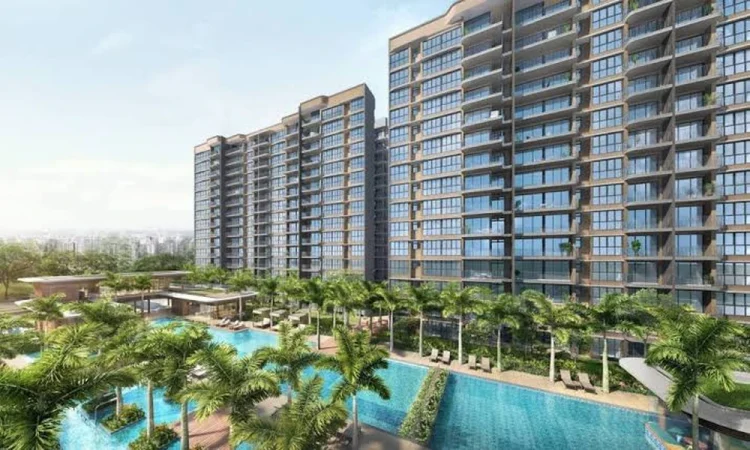

The meaning of a comfortable home has changed significantly over the years. Today’s homebuyers are not just looking for a property with an attractive appearance; they want enough space to work, relax, spend time with family, and enjoy their personal interests. This changing preference has increased the demand for spacious apartments, particularly in developing cities where residential infrastructure and lifestyle opportunities are expanding. Projects such as Mohan Parkland reflect the growing interest in residential options where buyers consider comfort, practical layouts, and the overall living environment before making a decision.
1. Changing Family Needs Are Driving Demand
One of the biggest reasons behind the growing demand for spacious apartments is the changing lifestyle of modern families. Many households now prefer homes with separate bedrooms, comfortable living rooms, larger kitchens, and additional space for storage.
Families with children often need dedicated areas for studying, playing, and other activities. Similarly, people living with senior citizens may prefer layouts that provide better accessibility and privacy. A spacious apartment makes it easier for different family members to enjoy their routines without disturbing one another.
Homebuyers are increasingly realising that a practical floor plan can make a significant difference in everyday comfort. Instead of focusing only on the number of rooms, they are paying attention to how effectively the available space is utilised.
2. Work-from-Home Culture Has Changed Housing Preferences
The growth of remote and hybrid working arrangements has influenced the way people choose their homes. A dining table or bedroom corner may not always provide a comfortable working environment, especially when multiple family members have different schedules.
As a result, buyers are showing greater interest in apartments that offer an additional room, flexible layouts, or enough space to create a dedicated home office.
Developments such as Central Avenue can be included in the research process when comparing residential options in growing urban locations. Buyers should evaluate apartment layouts, available configurations, ventilation, and usable carpet area to understand whether a property meets their work and lifestyle requirements.
3. Developing Cities Offer New Residential Possibilities
As major metropolitan areas become increasingly crowded, many homebuyers are exploring developing cities and suburban locations. These areas may offer a wider selection of residential projects, different apartment configurations, and improving social infrastructure.
Better road connectivity, railway networks, educational institutions, healthcare facilities, and commercial developments are making emerging residential destinations more attractive.
For families, choosing a home in a developing location can provide an opportunity to balance residential comfort with access to essential facilities. However, buyers should carefully examine existing infrastructure and distinguish between completed facilities and proposed developments.
Residential projects such as Mahavir Tranquil Thane West can also be considered when researching housing options that match modern family requirements. Comparing apartment sizes, connectivity, nearby facilities, and project details helps buyers make more informed decisions.
4. Spacious Homes Support a Better Lifestyle
A larger apartment can provide more than additional floor space. It creates opportunities for families to enjoy different activities comfortably. Children can have their own study corners, adults can create personal workspaces, and families can enjoy quality time in a spacious living area.
Natural lighting and proper ventilation are also important considerations. Well-designed windows, functional room arrangements, and thoughtfully planned layouts can make an apartment feel more open and welcoming.
Buyers should remember that a bigger apartment is not automatically a better apartment. The actual usability of the space, room dimensions, furniture placement, and overall floor plan should be evaluated before purchasing.
5. Amenities and Open Spaces Add More Value
Modern homebuyers are also considering the facilities available within and around residential developments. Landscaped gardens, fitness centres, walking tracks, children’s play areas, and recreational spaces can improve the overall living experience.
These facilities allow residents to enjoy outdoor activities and spend time with their families without travelling long distances. In developing residential locations, access to parks, shopping areas, schools, and healthcare facilities can further improve everyday convenience.
Projects such as Meridian Park can be part of a buyer’s property research when comparing modern residential choices and lifestyle preferences.
6. Making the Right Property Decision
Before purchasing a spacious apartment, buyers should compare carpet area, room dimensions, construction quality, location, maintenance expenses, and available amenities. It is also important to check project approvals, RERA registration details, and possession timelines.
A property should match both the family’s present requirements and its possible future needs. Careful planning can help avoid choosing an apartment that looks spacious in promotional images but offers limited practical usability.
Conclusion
The growing demand for spacious apartments reflects the changing expectations of modern homebuyers. People want homes that provide flexibility, privacy, comfort, and enough room for different everyday activities.
As developing cities continue to expand, thoughtfully designed residential projects are becoming important options for families looking for better living environments. Ultimately, the ideal home is not simply about having more square feet; it is about having space that makes everyday life more comfortable and meaningful.